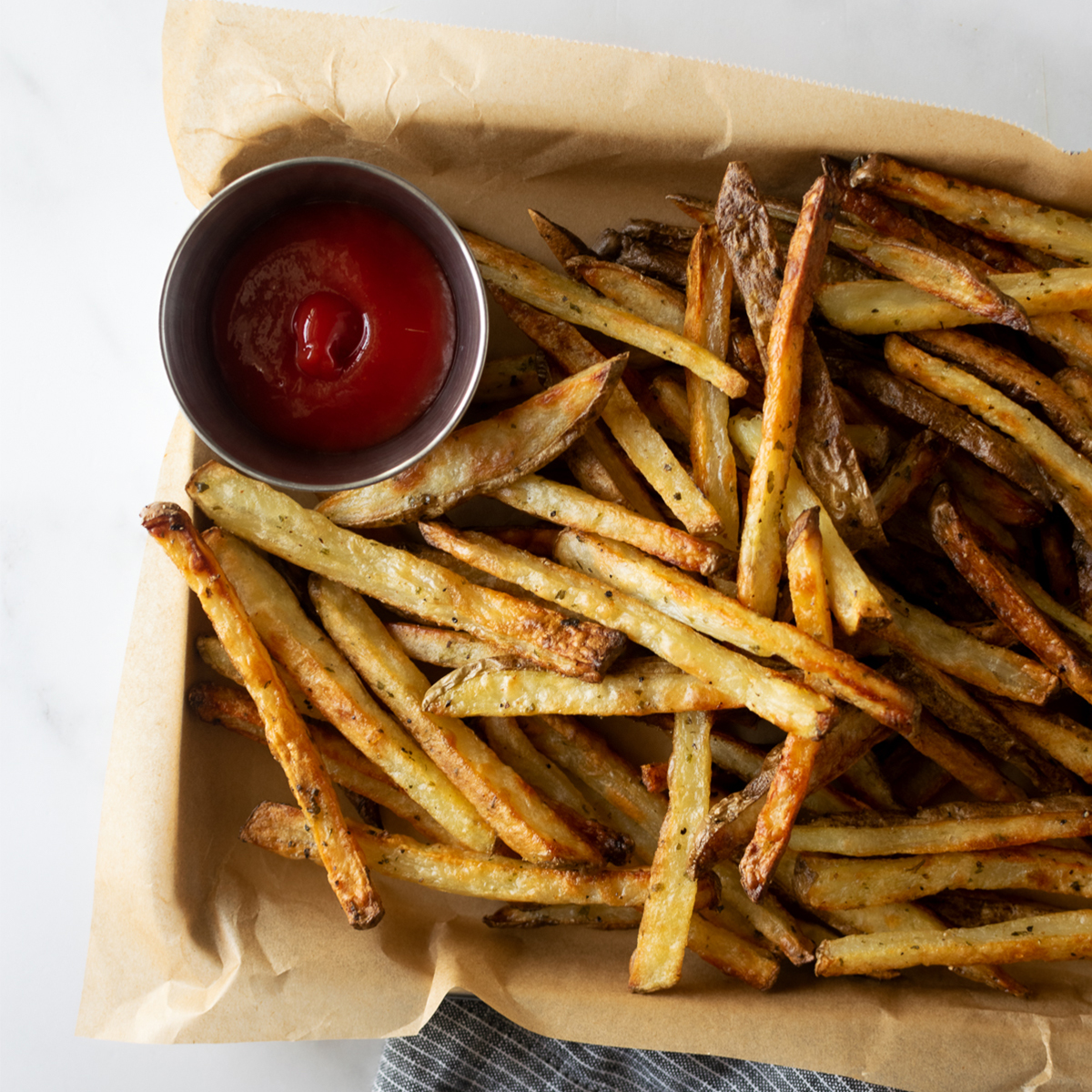
The Unbeatable Appeal of Homemade Crispy Baked French Fries
There's nothing quite like the irresistible allure of perfectly golden, crunchy French fries. While deep-fried versions have their undeniable charm, the quest for a healthier, equally satisfying alternative has led countless home cooks to discover the magic of oven-baked fries. Achieving that coveted crisp exterior and fluffy interior is not only possible but surprisingly straightforward, whether you're starting with fresh potatoes or a bag from the freezer. Forget soggy, limp imitations – with the right techniques, you can master oven-baked French fries that are crisp, golden, and bursting with flavor.
Baking your own French fries offers a trifecta of benefits: it's more cost-effective than store-bought options, significantly healthier due to less oil, and the taste is simply unmatched. You gain full control over the ingredients, from the type of potato to the seasoning blend, allowing for endless customization. This guide will walk you through the essential steps and insider tips to ensure your baked French fries are a crispy success every time.
Unlocking Crispy Perfection: The Science Behind Baked Fries
The secret to truly crispy baked French fries lies in understanding a few fundamental principles. It’s not just about throwing potatoes in an oven; it’s about creating an environment that encourages browning and prevents steaming.
- Moisture Removal is Key: Potatoes are naturally high in water. Any excess moisture on their surface will turn into steam in the oven, leading to a soft, soggy fry instead of a crisp one. For fresh-cut fries, this means soaking to remove starch and then drying them meticulously. Some home cooks even swear by a tiny pinch of sugar to help draw out surface moisture and promote browning.
- High Heat for Crispness: A hot oven is paramount. Baking at 425°F (220°C) ensures that the exterior of the fries crisps up quickly before the interior has a chance to overcook and become mushy. Starting with a fully preheated oven is non-negotiable; putting fries into a cold oven just guarantees steam, not crispness.
- Optimal Airflow: Air circulation is a game-changer. Fries need hot air to hit all sides to brown evenly. Arranging them in a single layer on a baking sheet fitted with a wire rack allows air to circulate underneath, preventing the bottoms from getting soggy. If you don't have a rack, parchment paper is a good alternative, but you'll definitely need to flip the fries halfway through.
- The Right Amount of Oil: A light coating of oil (like vegetable, canola, or olive oil) acts as a heat conductor, helping the fries achieve that desirable golden-brown color and crunchy texture. Too much oil, however, can make them greasy, so a careful hand is key.
Choosing Your Potatoes: The Foundation of Flavor
The type of potato you choose can influence the final texture of your homemade baked fries:
- Russet Potatoes: These are the classic choice for French fries. Their high starch content and low moisture make them ideal for achieving a fluffy interior and crispy exterior. They typically benefit from peeling.
- Yukon Gold Potatoes: A good alternative, offering a slightly creamier texture. They have thinner skins and often don't require peeling if you prefer.
Regardless of the variety, consistent cutting is crucial for even cooking. Aim for ¼ to ⅜ inch thick fries. A mandoline can achieve perfect uniformity, but always exercise extreme caution and use a safety guard if employing one.
From Potato to Perfection: A Guide to Fresh-Cut Baked Fries
Making crispy baked fries from scratch is a rewarding process. Here’s how to get it right:
- Prep Your Potatoes: Start by scrubbing your potatoes clean. If using Russets, peel them. Then, carefully cut them into your desired fry shape and thickness (¼ to ⅜ inch is standard).
- The Essential Soak: Place your freshly cut fries in a large bowl of cold water for 20-30 minutes. This crucial step removes excess surface starch, which can otherwise lead to soggy, gummy fries. The starch prevents crisping, so don't skip this!
- Dry, Dry, Dry: After soaking, drain the fries thoroughly and spread them out on a clean kitchen towel or several layers of paper towels. Pat them exceedingly dry. This is arguably the most critical step for crispiness. Any lingering moisture will steam in the oven, creating limp fries. You want them as dry as possible.
- Oil and Season: Transfer the dried fries to a large bowl. Drizzle with a light coating of oil (1-2 tablespoons per pound of potatoes is usually sufficient). Toss well to ensure every fry is evenly coated. Sprinkle with coarse salt and any other desired seasonings, such as garlic powder, paprika, or your favorite spice blend.
- Arrange and Bake: Preheat your oven to 425°F (220°C). Line a large baking sheet with parchment paper or, even better, place a wire rack on top of the baking sheet (and lightly coat the rack with cooking spray). Arrange the seasoned fries in a single layer on the rack, ensuring they do not overlap. Overcrowding will lead to steaming instead of crisping.
- Bake to Golden Perfection: Bake for approximately 30-40 minutes, or until deep golden brown and crispy. If you're not using a rack or convection, flip the fries halfway through baking to ensure even browning. Baking time may vary based on your oven and the thickness of your fries, so keep an eye on them.
- Final Seasoning: As soon as the fries come out of the oven, transfer them to a serving bowl and season again with a pinch of fresh salt, pepper, or other preferred spices. The heat will help the seasoning adhere.
Effortless & Delicious: Baking Frozen French Fries to Crispy Gold
Don't have time for fresh-cut? Frozen French fries can also achieve impressive crispiness with the right technique. They're a fantastic, convenient option for those busy weeknights.
- Preheat Oven & Prep Tray: Preheat your oven to 425°F (220°C). Line a baking sheet with a wire rack and coat it lightly with cooking spray. This provides crucial airflow.
- No Thawing Allowed: This is the golden rule for frozen fries. Do NOT thaw them. They must go straight from the freezer into the oven. Thawing introduces moisture, which leads to soggy results.
- Oil & Season (Optional, but Recommended): While some frozen fries are pre-seasoned and pre-oiled, a light toss with a tablespoon of oil and a sprinkle of salt (or your favorite seasoning blend) can significantly enhance their crispiness and flavor. Just make sure to do this quickly to prevent them from thawing.
- Spread Evenly: Arrange the frozen fries in a single layer on the prepared rack. Again, avoid overlapping to ensure every fry gets adequate exposure to the hot air.
- Bake Until Crispy: Bake for 30-35 minutes, or a few minutes longer than you would for fresh-cut fries, until they are deep golden brown and satisfyingly crisp. Like fresh fries, if you're not using a rack or convection, a mid-bake flip will help with even browning.
- Serve Immediately: Season with additional salt or your preferred spices right after removing them from the oven, and serve hot.
Oven Know-How: Maximizing Crispiness with Convection or Conventional
Your oven is your most powerful tool in the quest for crispy baked French fries, and understanding its functions can elevate your results.
- The Power of Convection: If your oven has a convection setting, use it! Convection ovens circulate hot air more efficiently, resulting in faster cooking times, more even browning, and superior crispiness. With convection, you often don't even need to flip the fries, as the hot air hits all sides. Bake at 425°F (220°C) with convection on for about 25-30 minutes for fresh, or 30-35 minutes for frozen.
- Conventional Oven Success: Don't have convection? No problem! A conventional oven can achieve equally delicious results, though it might take a little longer. The key is to ensure your oven is fully preheated to 425°F (220°C) and to use a wire rack for optimal airflow. If you're baking on parchment paper without a rack, remember to flip the fries halfway through baking to expose both sides to direct heat. Baking times will be similar to convection, possibly leaning towards the higher end of the range.
- Always Preheat Fully: This cannot be stressed enough. A cold oven will start to steam the fries before they can crisp. Give your oven at least 15-20 minutes to reach and stabilize at the target temperature.
- Don't Overcrowd: This applies to both fresh and frozen fries. Baking too many fries on one sheet lowers the oven temperature, increases moisture, and prevents proper browning. When in doubt, use two baking sheets.
Conclusion
Homemade crispy baked French fries are a culinary delight that saves you money, offers a healthier alternative, and delivers an explosion of fresh flavor. By understanding the importance of moisture removal, high heat, and proper airflow, you can consistently achieve that coveted crunch, whether you're starting from scratch with fresh potatoes or opting for the convenience of frozen ones. So, preheat your oven, grab your spuds, and get ready to enjoy the best baked French fries you've ever tasted, right in your own kitchen!
