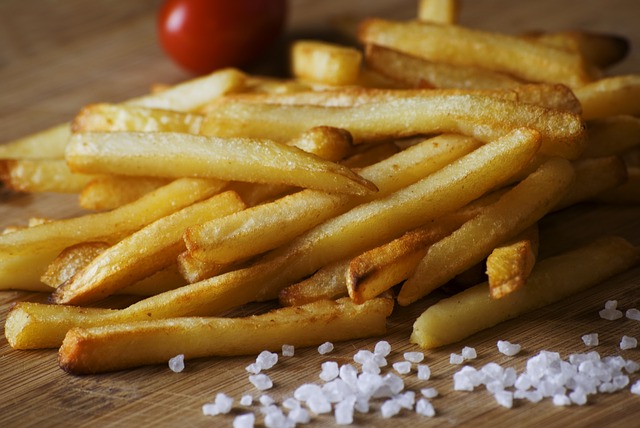
The Secret to Crispy Baked French Fries: Oven Tips & Tricks
There's a universally acknowledged truth: few things beat the sheer joy of perfectly crispy French fries. That golden crunch, the fluffy interior, the irresistible savory flavor – it's a culinary masterpiece. But often, home cooks despair, facing a plate of limp, oily, or soggy attempts when trying to replicate this delight in their own kitchens, especially when opting for the healthier, more convenient baked version. The good news? Achieving truly crispy homemade crispy baked fries is not just possible, it's surprisingly simple once you unlock a few key oven tips and tricks. Forget the deep fryer; we're about to reveal the secrets to making incredible, restaurant-quality baked French fries right in your oven.
Baking fries not only saves you from the mess and extra calories of deep-frying but also often saves money and offers a customizable flavor profile that store-bought options can't match. This guide will walk you through every step, from potato selection to the final golden crunch, ensuring your oven-baked fries are crispy, delicious, and a guaranteed hit every time.
The Foundation of Crispness: Potato Selection and Preparation
The journey to perfect baked French fries begins even before they hit the oven. Your choice of potato and how you prepare it lays the groundwork for that coveted crispy exterior.
Choosing Your Potatoes: Starch is Your Friend
- Russet Potatoes (Idaho Potatoes): These are the undisputed champions for classic French fries. Their high starch content and low moisture make them ideal for crisping up beautifully in the oven. When baked, the starch converts into sugars, leading to that desirable golden-brown color and crunchy texture. For best results, peeling Russets is recommended, as their skin can be thicker.
- Yukon Gold Potatoes: A fantastic alternative, Yukon Golds offer a slightly creamier interior texture while still achieving a good crispness. Their thinner skin means you can often skip the peeling step, saving you time.
Fresh-Cut vs. Frozen: Preparation Varies
Whether you're starting with fresh potatoes or a bag from the freezer, the preparation steps are crucial, and they differ significantly:
- For Fresh-Cut Fries: The Starch & Moisture Battle
- Cut Uniformly: Aim for ¼ to ⅜ inch thick fries. Consistency is key for even cooking. A mandoline slicer can achieve perfect uniform cuts, but always use with caution and safety gloves.
- Soak to Remove Starch: This is a non-negotiable step for fresh potatoes. Submerge your cut fries in a bowl of cold water for at least 20-30 minutes, or even up to a few hours in the refrigerator. This process draws out excess surface starch, which can lead to gummy, less crispy fries. Think of it as rinsing away the "glue" that prevents ultimate crispness.
- Rinse Thoroughly: After soaking, drain the water, rinse the fries under cold running water until the water runs clear.
- DRY, DRY, DRY: This is arguably the most critical step for fresh-cut fries. Any residual moisture will steam your fries instead of crisping them. Spread them out on clean kitchen towels or a layer of paper towels and pat them absolutely bone-dry. You can even let them air-dry for an additional 10-15 minutes if time permits. This commitment to dryness is a cornerstone of crispy baked French fries.
- For Frozen Fries: Straight from the Freezer
- Do NOT Thaw: Resist the urge to thaw frozen fries. Thawing introduces excess moisture, which will make them soggy. They must go straight from the freezer into the oven.
- Quick Coat: Even frozen fries benefit from a light toss in oil to promote browning and crisping. Ensure they are still frozen when you coat them and transfer them to the oven immediately.
Mastering Your Oven: Heat, Airflow, and Equipment
Your oven isn't just a big box that gets hot; it's a powerful tool that, when used correctly, can transform humble potatoes into crispy delights. Optimizing its environment is crucial for perfect oven-baked fries.
- High Heat is Essential: The magic number for crispy fries is often 425°F (218°C). This high temperature ensures that the surface of the fries dries out and browns quickly, creating that delicious crunch before the interior becomes overcooked. Lower temperatures will lead to soft, steamy fries.
- Preheat Fully: Never put fries into a cold or partially preheated oven. Give your oven ample time (at least 15-20 minutes after it signals it's reached temperature) to fully heat up. Starting in a cold oven means your fries will spend too long steaming before the browning process can begin.
- The Power of Convection: If your oven has a convection setting, use it! Convection circulates hot air evenly around the food, mimicking the effect of a commercial fryer. This results in faster cooking, more consistent browning, and superior crispness, often eliminating the need for flipping.
- Embrace the Wire Rack: This is a game-changer. Lining your baking sheet with a wire rack elevates the fries, allowing hot air to circulate all around each piece. This prevents the bottom from becoming soggy and ensures even browning on all sides. Spray the rack lightly with cooking spray to prevent sticking.
- No Rack? No Problem (But Flip!): If you don't have a wire rack, use parchment paper on your baking sheet. Parchment paper prevents sticking and helps with cleanup, but it doesn't allow air circulation underneath. In this case, you'll absolutely need to flip your fries halfway through baking to ensure even crisping.
The Baking Process: From Coating to Crispy Perfection
With your potatoes prepped and oven optimized, it's time for the final steps to achieving those golden, crunchy baked French fries.
- Lightly Coat with Oil: A thin coating of oil is essential for promoting browning and crisping.
- Which Oil? Vegetable oil, olive oil, canola oil, or avocado oil all work well. Opt for an oil with a higher smoke point for best results at 425°F.
- How Much? Use just enough to lightly coat all the fries. Too much oil will make them greasy and prevent crisping. Typically, 1-2 tablespoons for a medium batch of fries is sufficient. Toss the fries in a large bowl with the oil until every piece has a light sheen.
- Spread and Season: The Single Layer Rule
- Single Layer: This is critical. Arrange your oil-coated fries on the prepared baking sheet (ideally on a wire rack) in a single layer. They can touch slightly, but they absolutely must not overlap or be crowded. Overcrowding leads to steaming, not crisping. If necessary, use two baking sheets to ensure adequate spacing.
- Seasoning: Sprinkle with coarse salt (like kosher or sea salt) before baking. You can also add your favorite spice blend at this stage, such as garlic powder, onion powder, paprika, or even a pinch of cayenne for a kick.
- Bake Until Deep Golden and Crispy:
- Bake at 425°F (with convection if available) for approximately 25-35 minutes. Baking time will vary based on fry thickness, whether they're fresh or frozen (frozen may take a few minutes longer), and your oven's calibration.
- Visual Cues: Look for a deep golden-brown color and a visibly crispy texture. Don't be afraid to let them get truly golden – that's where the flavor and crunch live!
- Flipping (if no rack/convection): If you're not using a rack or convection, gently flip the fries halfway through baking (around the 15-20 minute mark) to ensure even crisping on both sides.
- Season Again (Optional, but Recommended): Once the fries are out of the oven and still piping hot, give them another sprinkle of salt or your preferred seasoning. The heat helps the seasoning adhere. Serve immediately with your favorite dipping sauce.
For more detailed recipes and a deep dive into specific methods, check out our guide on Homemade Crispy Baked Fries: Fresh-Cut & Frozen Methods.
Unlocking Extra Crispness: Advanced Tips & Troubleshooting
Even with the core steps mastered, a few extra tricks can elevate your oven-baked fries from great to unforgettable.
- The "Sugar" Secret: Some home cooks swear by adding a tiny pinch of sugar to the soaking water or directly to the oil-coated fresh fries. A minuscule amount (think ¼ teaspoon for a large potato) can aid in browning and potentially help draw out moisture through osmosis during the soak. However, be cautious; too much sugar will lead to burnt fries. This is an advanced technique for those looking to experiment further with making best oven baked French fries: crisp, golden, & garlicky flavor.
- Don't Skimp on the Dryness: We can't stress this enough. If your fresh-cut fries aren't bone dry before oiling, they will steam. Pat, pat, pat!
- Mind the Thickness: Thicker fries will naturally take longer to cook through and crisp up. Adjust baking time accordingly. Very thin fries (shoestring style) will cook much faster and can burn quickly.
- Add Flavor Boosters: Beyond salt, experiment with garlic powder, onion powder, smoked paprika, black pepper, or even a tiny amount of finely chopped fresh rosemary tossed with the oil before baking.
- Listen to Your Fries: They'll tell you when they're done. You'll hear sizzling, and the edges will look visibly crunchy. A taste test is always the best way to confirm.
For specific flavor profiles and a complete recipe for savory, garlicky fries, explore Best Oven Baked French Fries: Crisp, Golden, & Garlicky Flavor.
Conclusion
Achieving genuinely crispy baked French fries in your own oven is a culinary triumph that's well within reach for any home cook. By understanding the critical roles of proper potato preparation (especially drying!), high oven heat, excellent airflow facilitated by a wire rack and convection, and mindful seasoning, you can say goodbye to soggy fries forever. Embrace these tips and tricks, and you'll be consistently serving up golden, crunchy, and incredibly flavorful fries that rival any restaurant version – all from the comfort of your kitchen. Enjoy the crunch!
